Seasonal Tips: Preparing for Workplace Safety in Iowa
HD
Understanding Seasonal Workplace Hazards
Iowa's changing seasons bring unique challenges to workplace safety. As temperatures drop and conditions shift, it's crucial for businesses to stay vigilant and proactive. Understanding the specific hazards associated with each season can help in creating a safer work environment.
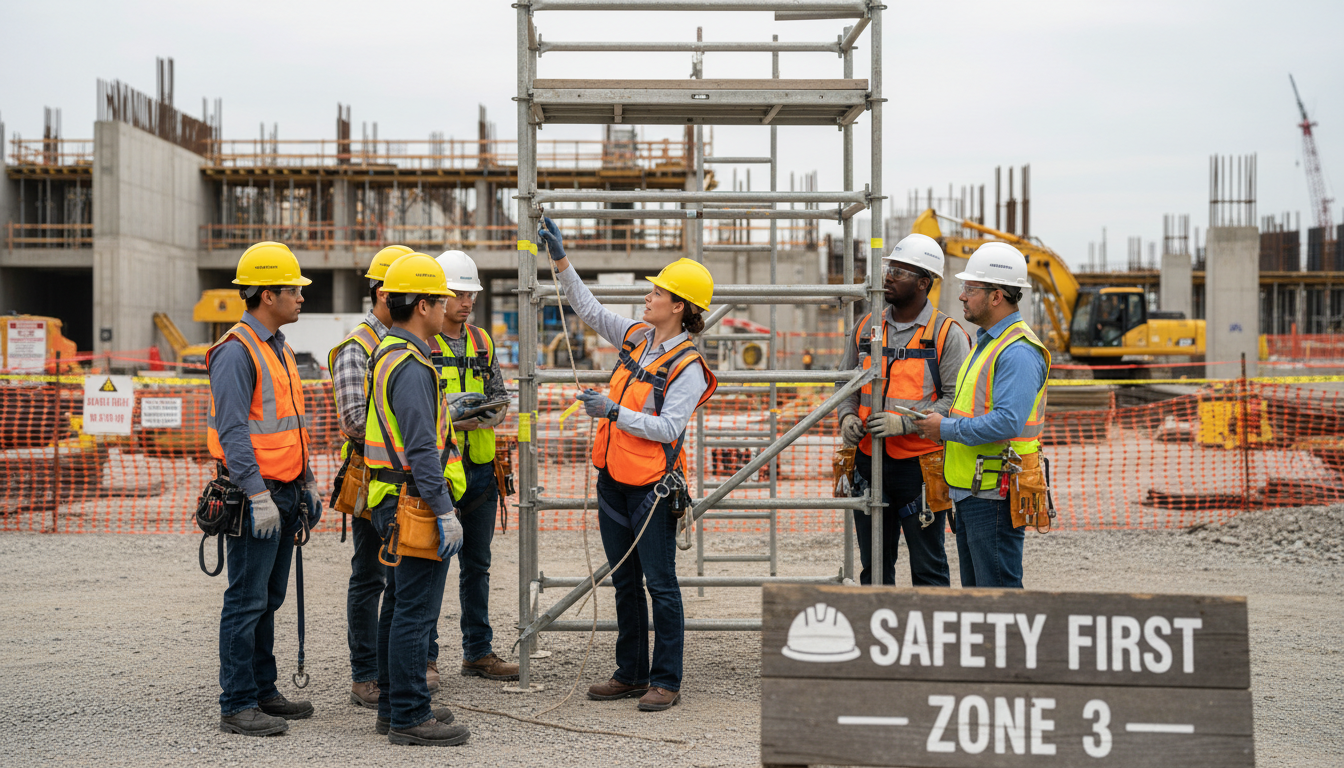
Winter, for instance, introduces risks such as icy surfaces and freezing temperatures, which can lead to slips, trips, and falls. Preparing for these conditions involves more than just laying down salt or clearing snow; it requires a comprehensive approach to safety planning.
Winter Safety Preparations
To combat winter hazards, businesses should implement a range of strategies. Start by ensuring all walkways and entrances are clear of ice and snow. Use non-slip mats in entryways and provide employees with appropriate footwear to prevent accidents.
- Regularly inspect heating systems to ensure they are functioning properly.
- Encourage employees to dress warmly and in layers to prevent cold-related illnesses.
- Train staff on recognizing and responding to symptoms of hypothermia and frostbite.
These measures not only protect employees but also minimize downtime due to weather-related incidents.

Spring and Summer Considerations
As Iowa transitions into spring and summer, different safety concerns arise. Warmer temperatures can lead to heat stress and dehydration, especially for outdoor workers. Employers should provide plenty of water, schedule regular breaks, and offer shaded areas for rest.
Additionally, spring often brings heavy rains and the potential for flooding. Businesses should have an emergency response plan in place that includes evacuation routes and procedures for communicating with employees.

Fall Preparations
In fall, shorter daylight hours and falling leaves can create new hazards. Ensure that outdoor lighting is sufficient for those arriving or leaving work in the dark. Regularly clear gutters and drains to prevent water accumulation and slippery surfaces.
It's also an ideal time to review and update safety protocols, ensuring all staff are familiar with emergency procedures. Conducting regular safety drills can help prepare for unexpected situations.
Maintaining a Culture of Safety
Creating a culture of safety is an ongoing process. Encourage open communication where employees feel comfortable reporting hazards or incidents without fear of reprisal. Regular training sessions and safety meetings can reinforce the importance of safety protocols.
- Involve employees in safety planning and decision-making.
- Recognize and reward safe behavior to promote compliance.
- Stay informed about new safety regulations and technologies.
By prioritizing safety year-round, businesses in Iowa can reduce accidents and enhance productivity, ensuring a healthier environment for all employees.