Seasonal Safety Tips: Preventing Workplace Injuries in Iowa Winters
HD
Iowa winters are notorious for their harsh weather conditions, and these can pose significant challenges in the workplace. Snow, ice, and freezing temperatures increase the risk of injuries, making it crucial for companies to implement effective safety strategies. By being proactive, businesses can ensure the well-being of their employees throughout the season.

Understanding the Risks
Winter conditions can lead to various workplace hazards, including slippery surfaces, reduced visibility, and cold stress. Employees working outdoors or in unheated environments are particularly vulnerable. Identifying these risks is the first step in preventing potential injuries.
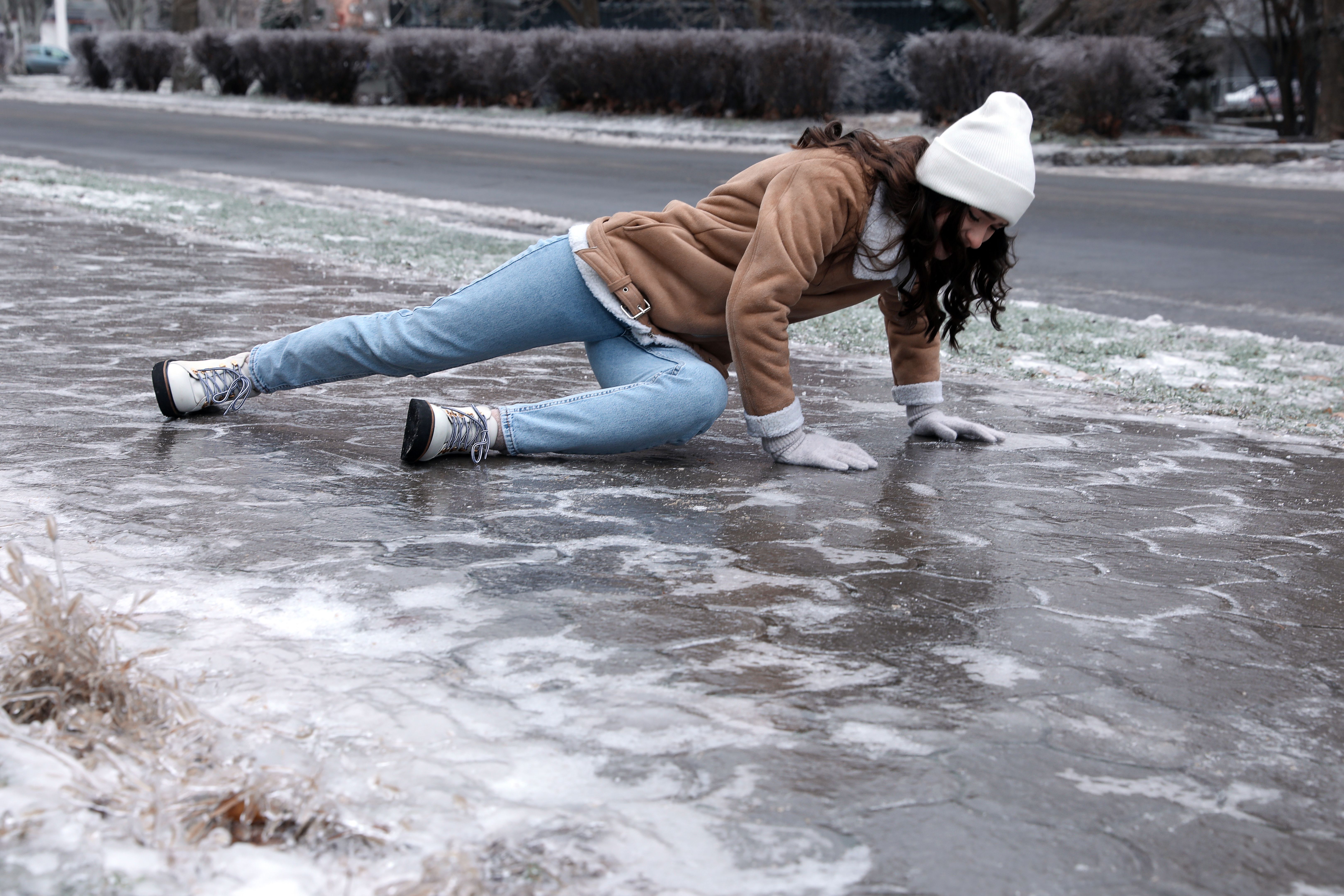
Slips, Trips, and Falls
Slippery walkways and icy surfaces are common in Iowa during winter. To mitigate these risks, businesses should:
- Regularly clear snow and ice from walkways.
- Use salt or sand to improve traction.
- Install warning signs in high-risk areas.
Cold Stress and Its Impact
Prolonged exposure to cold temperatures can lead to cold stress, which includes conditions like hypothermia and frostbite. Employers should ensure that workers have access to warm clothing, heated rest areas, and hot beverages. It's also important to educate employees on recognizing the symptoms of cold stress and how to respond appropriately.
Safe Equipment Use
Winter conditions can affect the functionality of equipment, leading to potential accidents. Regularly inspecting and maintaining machinery is essential. Ensure that all equipment is suitable for cold weather use and that employees are trained in safe operational procedures.
Enhancing Visibility
Reduced daylight hours and frequent snowfalls can impair visibility, increasing the risk of accidents, especially for those operating vehicles or machinery. To enhance safety:
- Install adequate lighting in outdoor areas.
- Equip vehicles with reflective tape and functioning lights.
- Encourage workers to wear high-visibility clothing.
Emergency Preparedness
Winter weather can be unpredictable, so having an emergency plan in place is vital. This includes:
- Establishing clear communication channels for weather updates.
- Conducting regular emergency drills.
- Ensuring first-aid kits and emergency supplies are readily available.
Conclusion
By taking proactive measures, businesses can significantly reduce the risk of workplace injuries during the challenging Iowa winters. Prioritizing safety not only protects employees but also maintains productivity and morale. Remember, a safe workplace is a productive workplace.