Seasonal Legal Challenges in Iowa: Preparing for Winter Workplace Hazards
HD
As winter approaches in Iowa, businesses face a unique set of legal challenges related to workplace safety. Preparing for winter workplace hazards is crucial to ensure the safety and well-being of employees while also complying with legal obligations. This blog post will explore some of the most common winter-related hazards and offer guidance on how businesses can prepare effectively.
Understanding Winter Workplace Hazards
Winter brings with it a range of potential hazards, from icy walkways to freezing temperatures. Employers must be proactive in identifying and mitigating these risks to prevent workplace accidents and injuries. Common hazards include slips and falls, cold stress, and equipment malfunctions due to extreme weather conditions.
The Occupational Safety and Health Administration (OSHA) provides guidelines to help employers manage these risks. It is essential to review these guidelines and implement necessary measures to protect your workforce.
Implementing Safety Measures
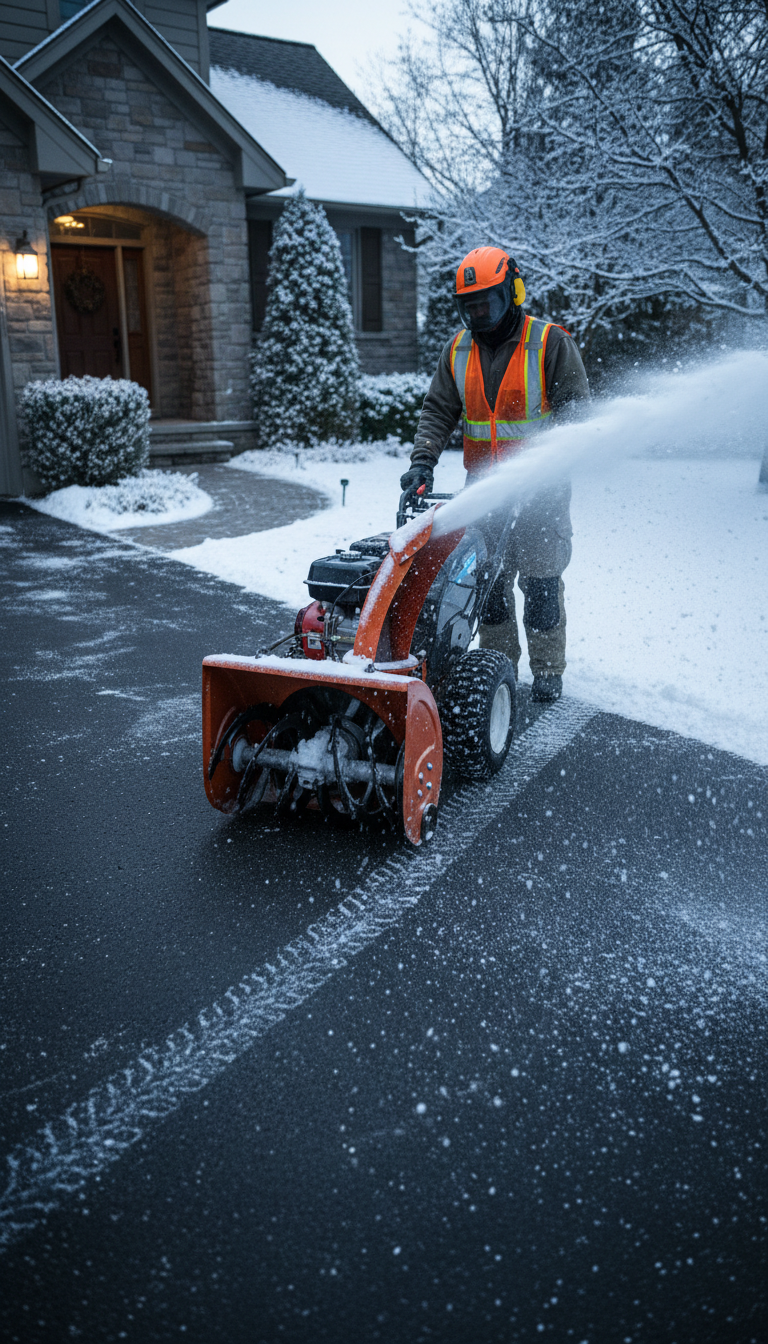
To minimize the risk of accidents, businesses should implement comprehensive safety measures. This includes conducting regular inspections of outdoor areas to identify and address icy patches, ensuring that all walkways are clear of snow and ice, and providing proper signage to warn employees of potential hazards.
Additionally, providing employees with appropriate winter gear, such as insulated clothing and non-slip footwear, can significantly reduce the risk of cold-related injuries. Employers should also consider offering training sessions to educate employees on recognizing and responding to winter hazards.

Addressing Legal Obligations
Businesses must be aware of their legal obligations regarding workplace safety in winter conditions. This includes adhering to OSHA standards and any state-specific regulations. Failure to comply can result in fines and legal action, not to mention the potential harm to employees.
It's advisable to regularly consult with legal professionals or safety experts to ensure that your business remains compliant with all relevant safety regulations. Keeping detailed records of safety measures and incidents can also be beneficial in case of any legal disputes.

Developing a Winter Safety Plan
Creating a comprehensive winter safety plan is crucial for minimizing risks. This plan should outline procedures for handling snow and ice removal, emergency response protocols, and employee training programs. Involving employees in the planning process can also provide valuable insights and promote a culture of safety.
Monitoring and Adapting Strategies
Winter conditions can change rapidly, requiring businesses to remain flexible in their approach to safety. Regularly monitoring weather forecasts and adapting safety strategies accordingly can help businesses stay ahead of potential hazards.
Communication is key during these times. Keeping employees informed about expected weather conditions and any changes to safety protocols ensures everyone is prepared and aware of their responsibilities.

Conclusion
Preparing for winter workplace hazards is not just about compliance; it's about ensuring the safety and well-being of your employees. By understanding the risks, implementing effective safety measures, and adhering to legal obligations, businesses can navigate the challenges of winter with confidence. A proactive approach will not only protect your workforce but also contribute to a more efficient and productive workplace.