Seasonal Guide: Preparing for Workplace Injuries in Iowa's Winter Months
HD
Understanding the Risks of Winter Workplace Injuries
Winter in Iowa brings with it a unique set of challenges for workplaces. The combination of snow, ice, and freezing temperatures can significantly increase the risk of injuries. Understanding these risks is the first step in preparation. Slips, trips, and falls are the most common types of injuries during this time, often caused by icy surfaces.
Employers should also be aware of the dangers associated with frostbite and hypothermia for employees working outside or in unheated environments. These conditions can set in quickly, making awareness and prevention crucial.

Implementing Safety Measures
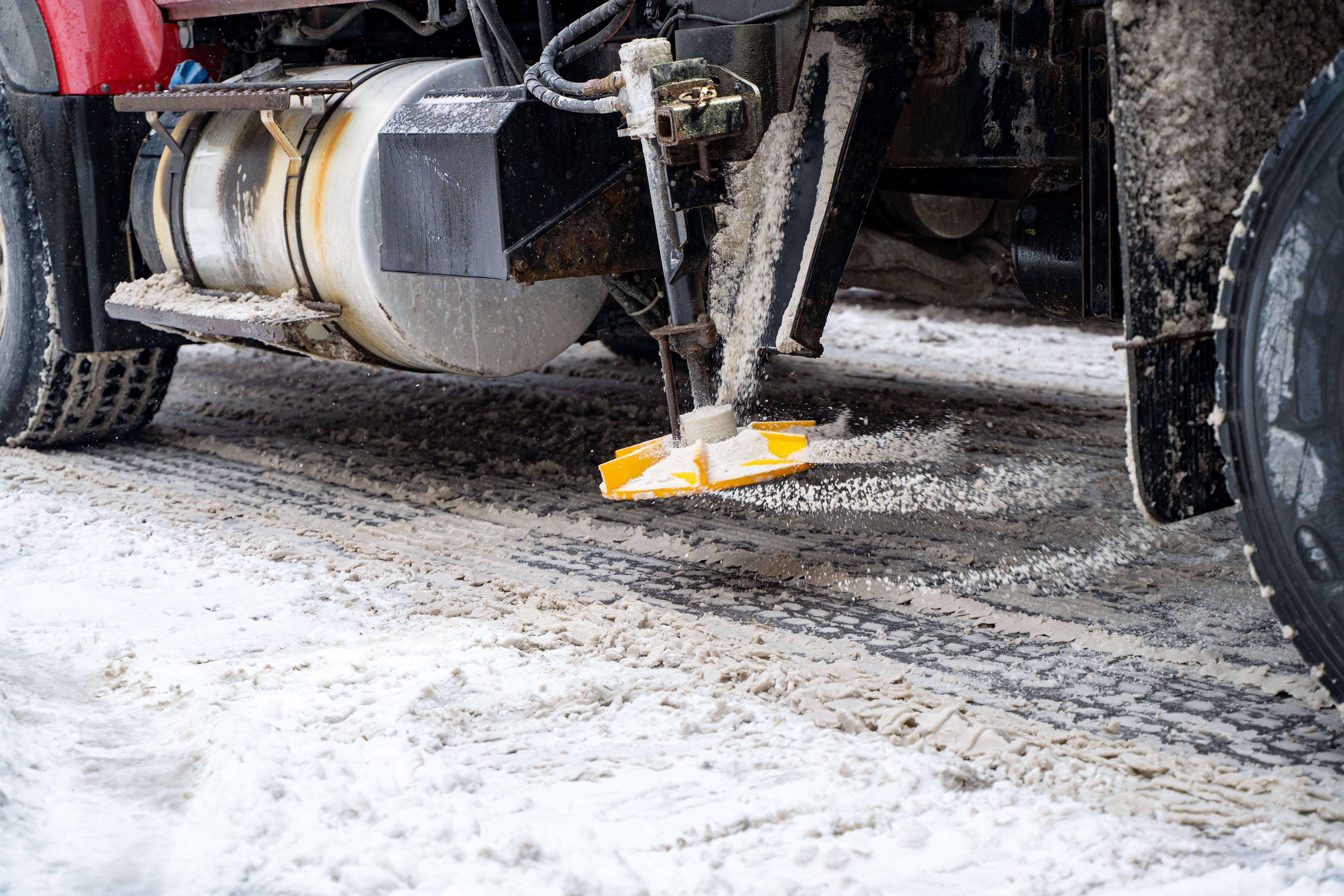
To mitigate the risks associated with winter conditions, implementing comprehensive safety measures is essential. Start by ensuring that all walkways, parking lots, and entryways are promptly cleared of snow and ice. Using salt or sand can provide additional traction, reducing the likelihood of slips.
It's also important to equip employees with the right gear. Providing proper footwear with good traction and thermal clothing can make a significant difference in preventing accidents and cold-related health issues.

Training and Awareness
Conduct regular training sessions to educate employees about the specific hazards they may face during winter months. These sessions should emphasize the importance of reporting unsafe conditions and understanding emergency procedures.
Creating a culture of safety awareness encourages employees to look out for one another and take proactive steps to avoid injuries. Use posters, emails, and meetings to consistently reinforce these messages throughout the winter season.
Ensuring Vehicle Safety
If your workplace involves driving, ensure all vehicles are winter-ready. This includes checking tire treads, battery health, and ensuring that antifreeze levels are adequate. Providing emergency kits in vehicles with items like blankets, flashlights, and first-aid supplies can be a lifesaver if an employee becomes stranded.
Emergency Preparedness
Preparing for the unexpected is a key component of workplace safety during winter. Develop an emergency plan that includes procedures for severe weather conditions such as blizzards or extreme cold. This plan should cover communication strategies, evacuation routes, and designated safe areas.
Regularly review and update emergency plans to ensure they remain effective and relevant. Having clear protocols in place can significantly reduce confusion and potential injuries during an emergency.
Reviewing and Adjusting Policies
Finally, reviewing workplace safety policies before the winter season allows for timely adjustments. Consider incorporating flexible work arrangements to reduce the number of employees commuting during severe weather. Remote work options can help maintain productivity while ensuring safety.
By taking these proactive measures, employers in Iowa can create a safer workplace environment during the challenging winter months, protecting both their employees and their operations from unnecessary risks.